
PRACTICAL TIPS · REAL IMAGING EXAMPLES
Better astrophotography starts with practical advice.
Learn which settings to use, how to improve your processing, and what to expect from your telescope, with DWARF 3 guides, real imaging examples, and expanding Draco coverage.
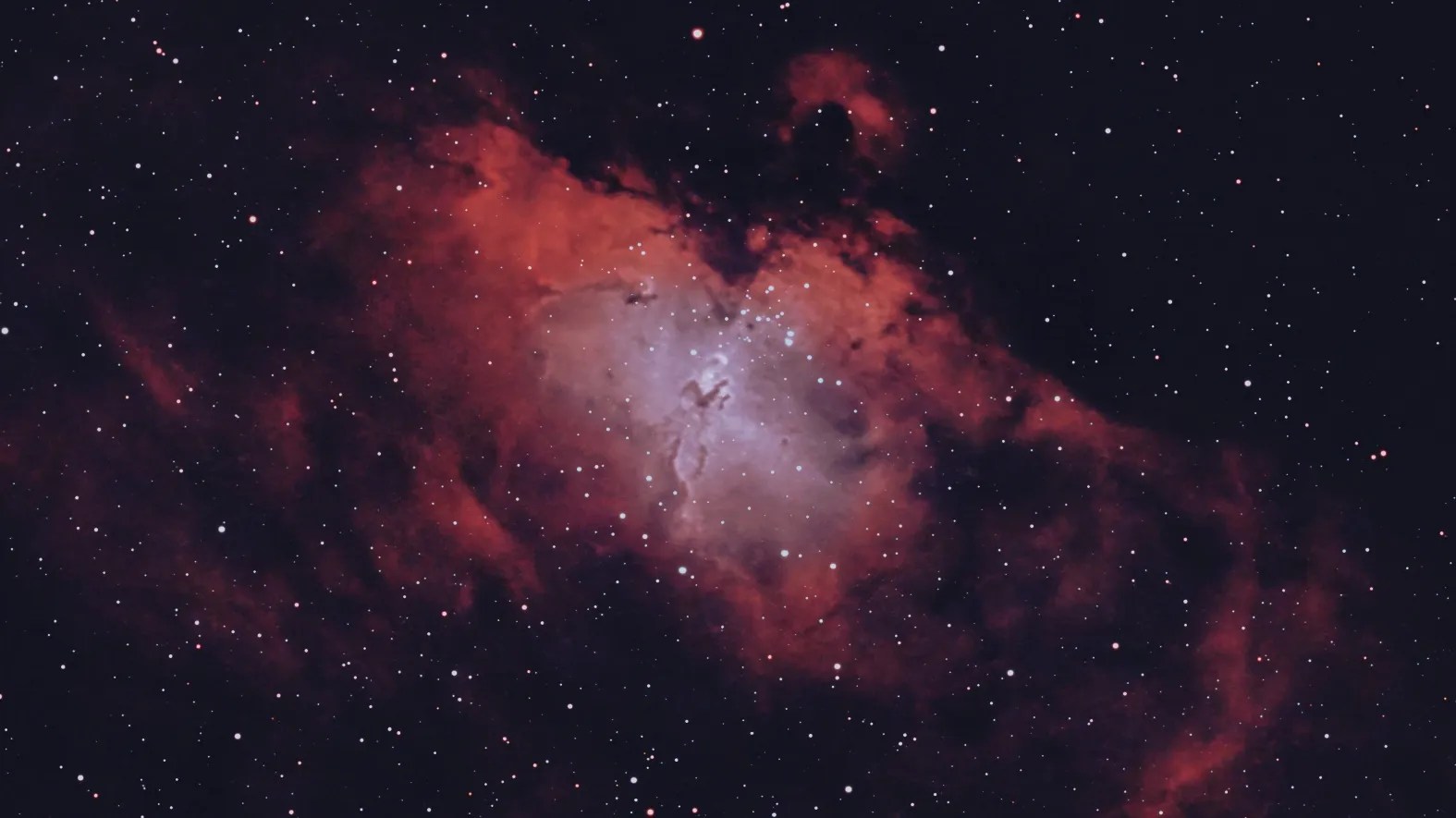
M16 · EAGLE NEBULA
Captured with DWARF 3
Real backyard captures
Settings with every session
Learn by doing

NEBULAE · DWARF 3
Horsehead & Flame
The image. The settings. The story.
NEBULAE · EQ MODE
Inside the Eagle Nebula
Revisiting M16 with a different approach.

NEBULAE · DWARF 3
A closer look at Orion
Finding detail under a bright sky.
FRESH FROM THE BLOG
Latest posts
The newest practical tips, telescope updates and real imaging examples.
-

DWARF 3 Filter Test: 7nm vs 30nm on the Eastern Veil Nebula
We measured a front mounted 7nm filter against the DWARF 3 built in 30nm filter on the Eastern Veil Nebula, matched regions, same night. Here is what the SNR numbers actually showed.
-

DWARFLAB Draco vs. DWARF 3: The Dragon and the Dwarf
The Dwarf 3 surveys the night sky. The Draco goes hunting. That’s the split shaping up this week around Draco, the smart telescope DWARFLAB is teasing alongside its DWARF 3. For several…
-

From 8 Minutes to 157 Hours: One Year of Deep-Sky Imaging success with the DWARF 3
M51 was the first target with the Dwarf 3. August 2025, Alt-Az mode, 8 minutes and 30 seconds of 15-second subs on a galaxy low in the summer sky. The telescope was…
-

Trifid Nebula M20: A Warm-Up Session Low in the Sagittarius Steam
I didn’t go into the July 16 session expecting a keeper. The Trifid nebula was more of a question than a plan: what does the DWARF 3 actually do with a target…
-

MAKE YOUR NEXT SESSION BETTER
Less guesswork.
More sky.
BEYOND THE TELESCOPE